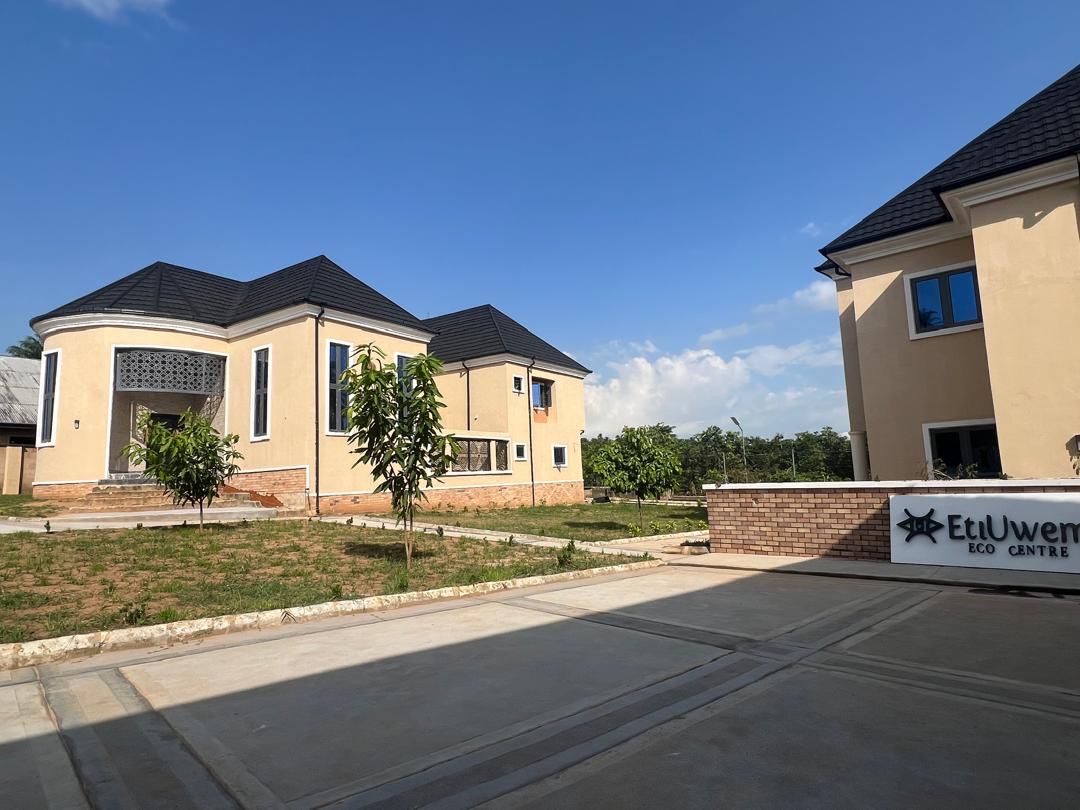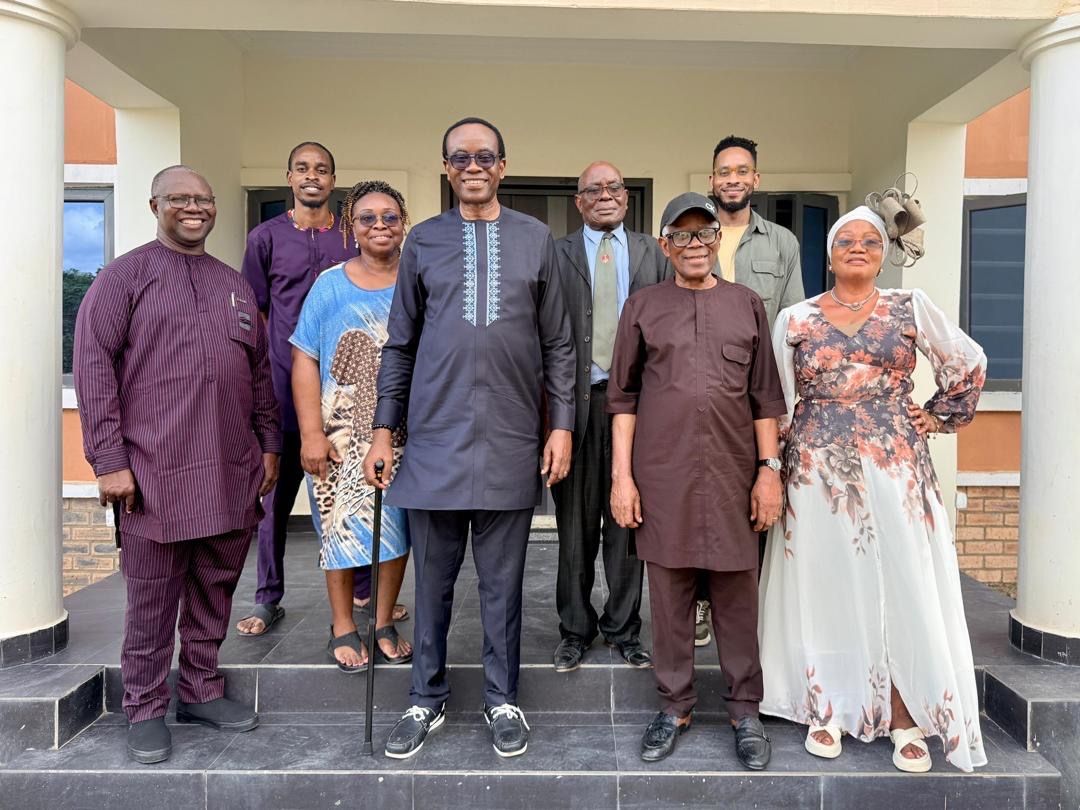

There are places people visit because they have somewhere to be. There are places they visit because something is happening there. And then there are places that ask people to slow down long enough to notice where they are. EtiUwem Eco Centre in Ikot Nseyen, Ikono Local Government Area of Akwa Ibom State, is one of those places.
Set within a landscape of greenery, streams, swamp, hills and forest life, the centre rises from the natural landscape rather than standing apart from it. Its surroundings have a quietness that can be difficult to find in the rush of everyday life. The trees, the open spaces and the sounds of nature become part of what the centre offers.
It is a place to think. A place to create. A place to rest. And a place to belong. That is not merely a description of its physical character. It is central to the idea behind EtiUwem.
The Eco Centre is a space where activists, writers, researchers, students, creatives, community actors, and others can step away from the pressures of daily routines to reflect, exchange knowledge, create, learn, and build relationships. It provides room for retreats, residencies, conversations, gatherings, and moments of solitude.
But the most important thing EtiUwem offers is time. Time to listen to a person whose experience may be different from yours. Time to sit with an idea before rushing to an answer. Time to see the landscape around you. Time to remember. Time to imagine.
A name carrying memory
Even the name of the Eco Centre carries a story. EtiUwem means good life or good living in Ibibio language. That meaning becomes more significant when placed alongside the history of the land and the people who inhabit it.
The story of Ikot Nseyen is connected to the migration of its people from Ndon Uwem “the land of life.” The community itself takes its name from Nseyen, described as a powerful woman and founder of the settlement.
The name therefore connects the present to a much older memory of place, movement, community, and aspiration. It asks a simple but profound question, what does a good life mean?
At EtiUwem, the answer does not appear to be limited to material comfort. Good living can mean being connected to others. It can mean having a relationship with the land that sustains life. It can mean having the freedom to think and create. It can mean sharing knowledge, protecting community memory and making room for diverse ways of understanding the world.
This makes the centre more than a physical facility. It becomes a space where ideas about life itself can be explored.
Where nature becomes part of the conversation
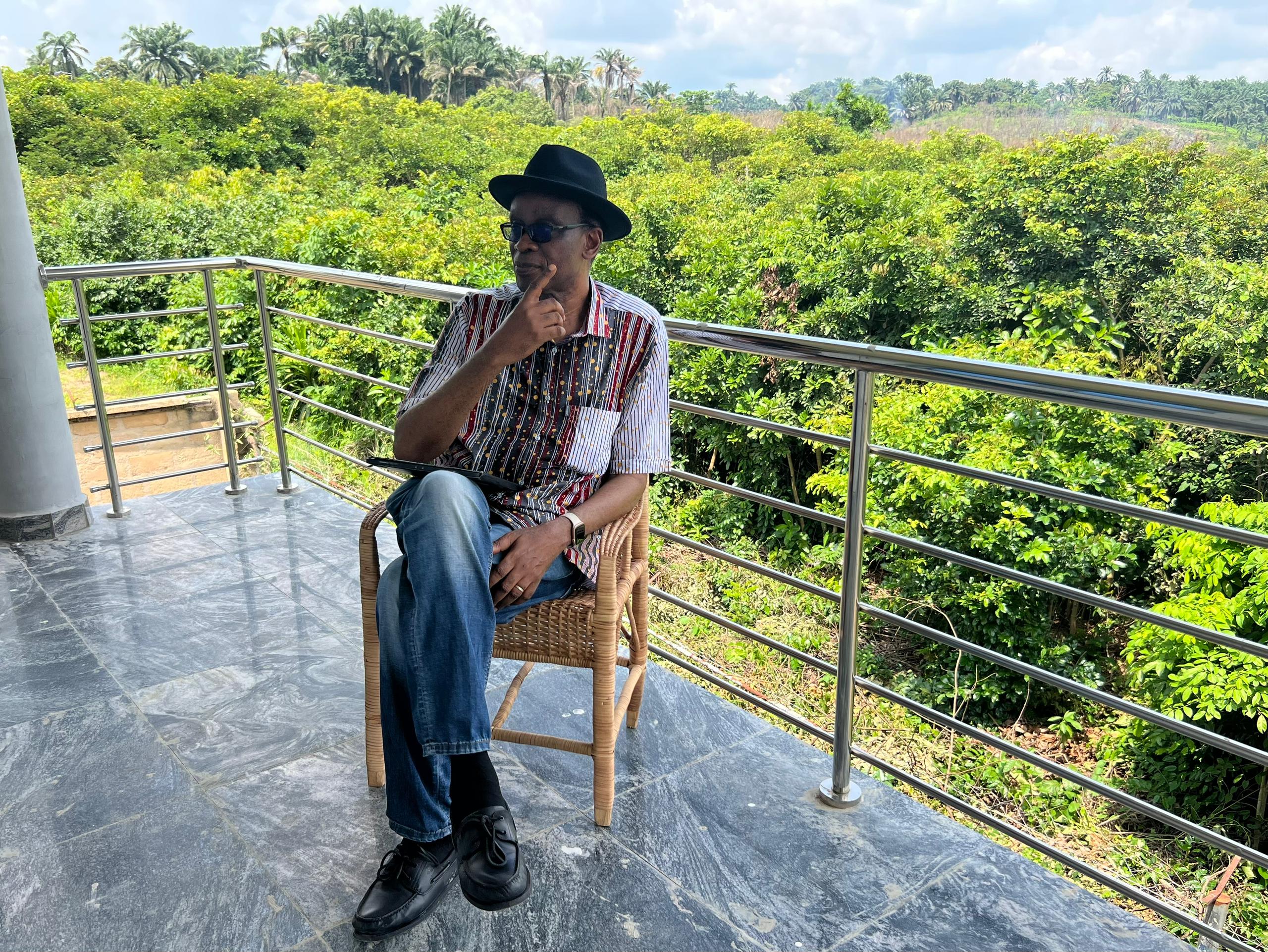
That relationship with nature is impossible to miss.
During the Wisdom Gathering held at the centre on September 10, 2026, Associate Professor Ofonime Inyang described the setting as a recently commissioned eco-centre surrounded by the “natural founts and pristine greenery” of the landscape.
He described the gathering itself as a “wisdom cantata of songs, proverbs and enactments oiled in local wisdom and structured scholarly interactivity.” The description captures something essential about EtiUwem. Here, knowledge does not have to arrive only through books, classrooms, or formal lectures.
It can arrive through a song. Through a proverb. Through a story told by an elder. Through the memory of a community. Through a researcher's interpretation. Through the experience of someone who has lived beside a stream or forest all their life.
The centre provides a meeting point for these different forms of knowing. This is particularly important in a world where environmental questions are often reduced to technical calculations, policies, and statistics. EtiUwem Eco Centre creates room for another kind of conversation, one in which culture, memory, language, community experience and ecological knowledge can sit alongside formal scholarship.
A space for wisdom gathering
That spirit was visible during the Wisdom Gathering on “The Foundation of Language and Indigenous Philosophies for Socio-Ecological Justice.”
Academics, community members, traditional voices, civil society actors, and cultural practitioners came together not simply to discuss the environment, but to interrogate the words and ideas through which people understand their relationship with it.
There was Ikike, the power of knowledge.
There was Harambee, the call to pull or work together.
There was Ubuntu, I am because you are.
There was Sankofa, going back to retrieve what has been forgotten.
And there was EtiUwem, good life.
The concepts were different in origin and expression, but they converged around questions of relationship, responsibility, community, and collective wellbeing.
At another point, the gathering turned to the Ibibio idea of Abasi-Isong, the God of Earth, and what it might reveal about the relationship between people and the natural world.
Professor Emmanuel Akpabio, Professor of Human Geography and Director of International Programmes at the University of Uyo argued that indigenous cosmologies should not be treated merely as cultural curiosities. They can also provide frameworks for thinking about environmental ethics and ecological governance.
His reflections offered an example of what can happen when a place creates room for scholarship to meet indigenous knowledge.
More than a venue
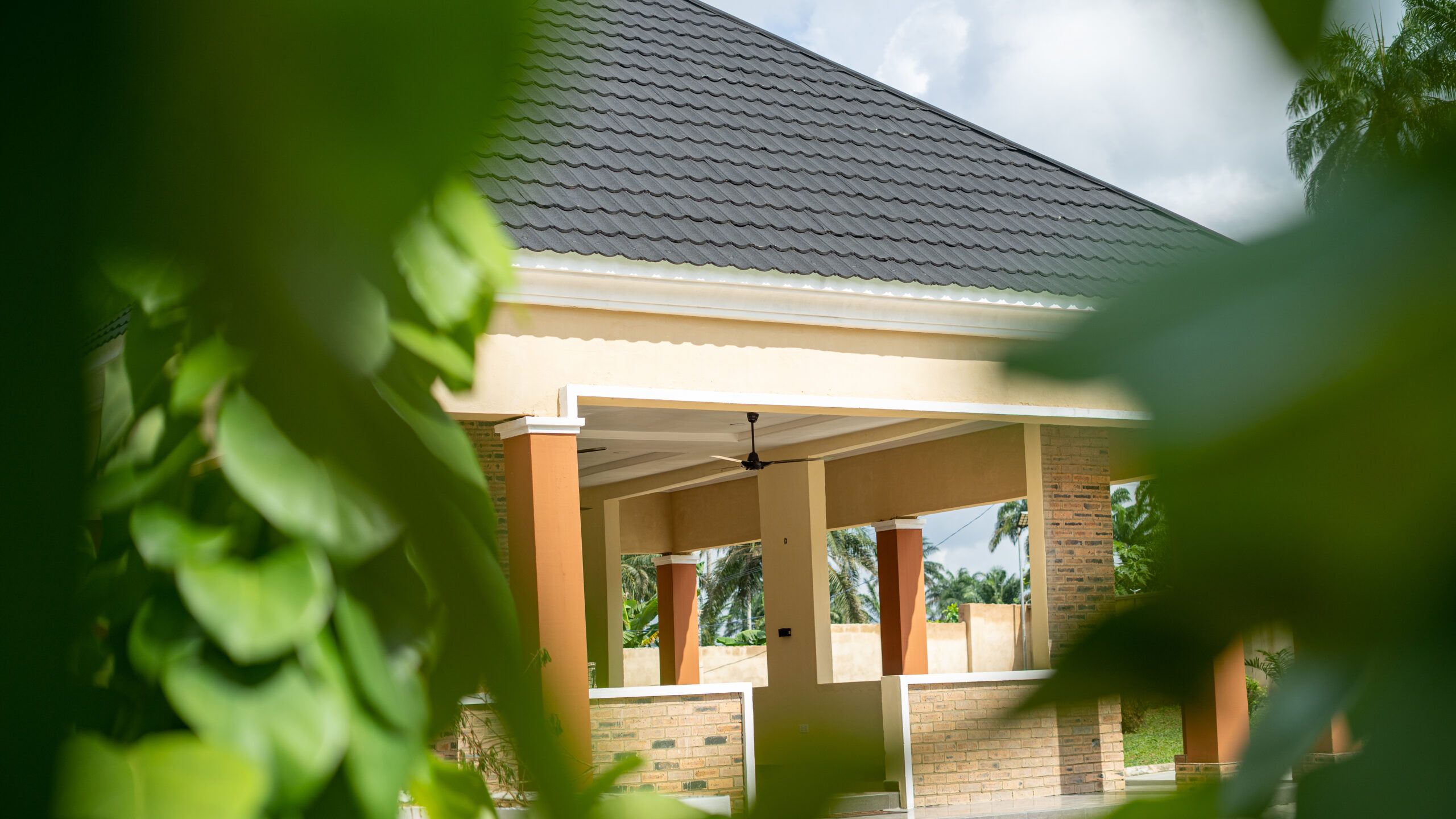
This is the distinguishing character of EtiUwem Eco Centre. It is not simply a venue where activities happen and people leave. The place itself is part of the experience.
Its landscape slows the visitor down. Its name invites reflection. Its history connects people to memory. Its programs create opportunities for exchange. And its philosophy encourages people to consider diverse ways of living, knowing, and relating.
The centre's vision speaks of a society in which people treasure solidarity and community, while its mission centres on nurturing small, intentional communities that can contribute to a just and culturally cohesive society.
That ambition begins with something deceptively simple, creating a space where people can gather.
Gather to question.
Gather to create.
Gather to remember.
Gather to rest.
Gather to research.
Gather to imagine another way of living.
At EtiUwem Eco Centre, the good life is not presented as an abstract destination somewhere in the future. It is being explored, one conversation, one gathering, one act of creativity and one encounter with the land at a time.
And sometimes, the first step towards imagining a different future is simply finding a place quiet enough to think about it.